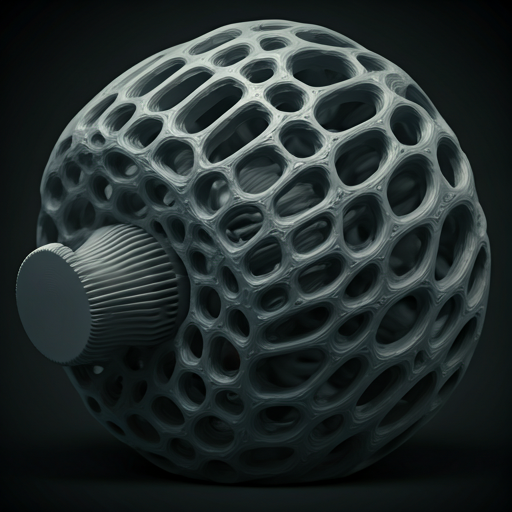
Selective Laser Sintering (SLS)
Uses laser to sinter polymer powder layer by layer, ideal for producing durable, complex functional parts and prototypes.
Learn More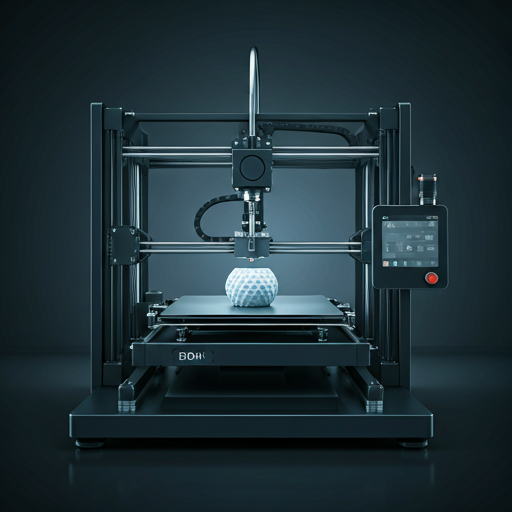
Aiketek delivers comprehensive 3D printing solutions covering prototyping to production. With over 50 metal and plastic materials, we support precision and quality using advanced additive technologies. Our efficient manufacturing enables fast turnaround while maintaining reliability.
We provide full post-processing services including surface finishing and reinforcement. Upload your design to receive material recommendations, pricing, and lead time analysis.
Uses laser to sinter polymer powder layer by layer, ideal for producing durable, complex functional parts and prototypes.
Learn More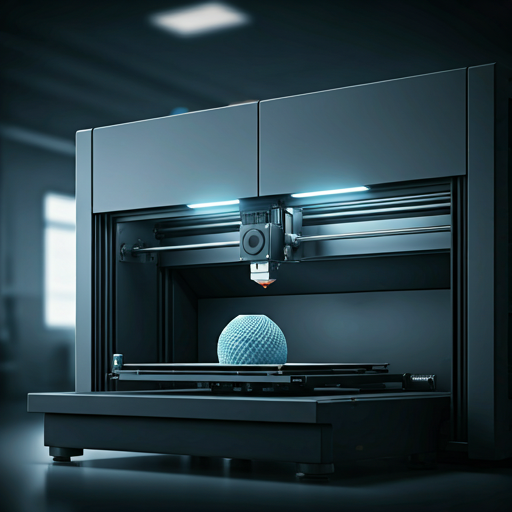
Employs inkjet technology and infrared fusion to rapidly create isotropic, high-precision nylon parts suitable for functional use.
Learn More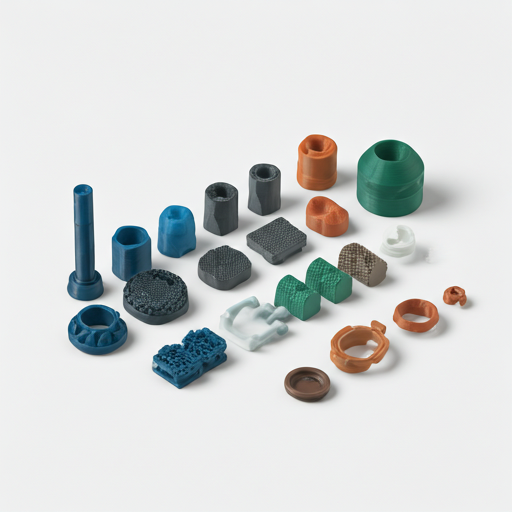
Jets and cures liquid photopolymer materials, enabling multi-material and full-color printing for high-detail prototypes and models.
Learn More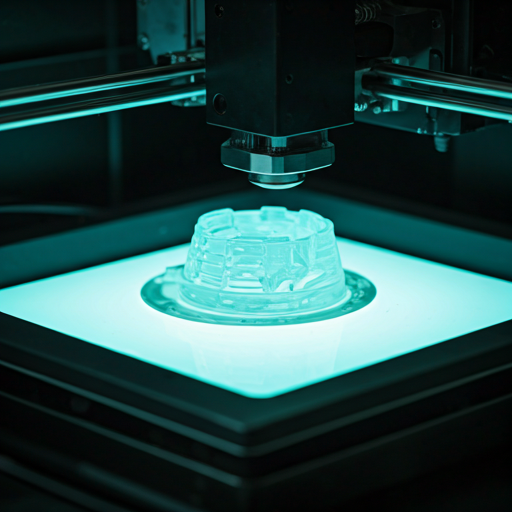
Forms parts by using UV lasers to cure liquid resin, creating models with high precision and smooth surfaces.
Learn More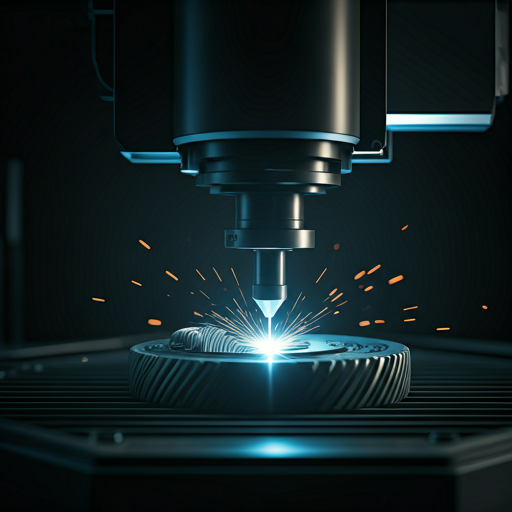
Builds complex metal parts by selectively melting metal powder layer by layer with a laser, resulting in high-strength components.
Learn More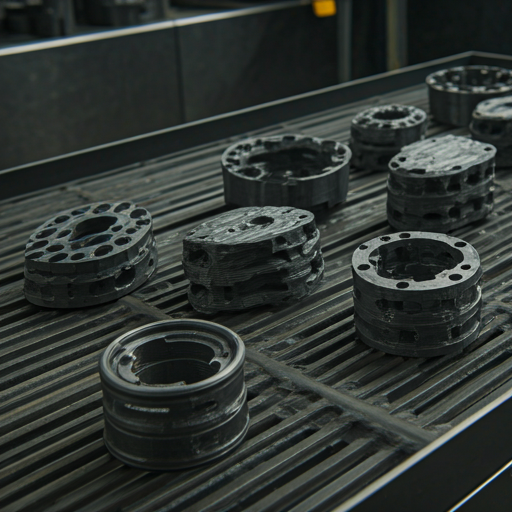
Binds metal powder with adhesive, then sinters to form dense metal parts, ideal for batch production and scaling.
Learn MoreNylon offers excellent strength, durability, and abrasion resistance, making it ideal for functional prototypes, mechanical parts, and end-use applications. Common 3D printing grades include:
PA 12 (Nylon 12)
PA 11 (Nylon 11)
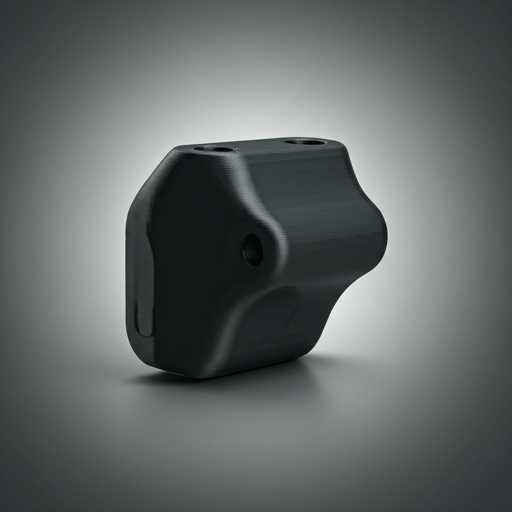
316L is a corrosion-resistant metal additive material for compact industrial parts, fluid-facing components, complex brackets, and functional prototypes.
DMLS
Metal binder jetting
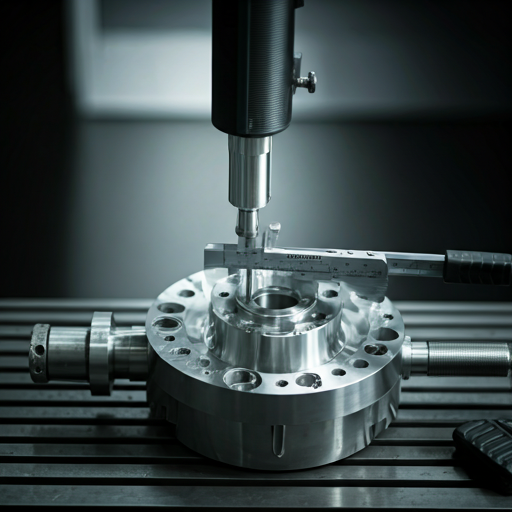
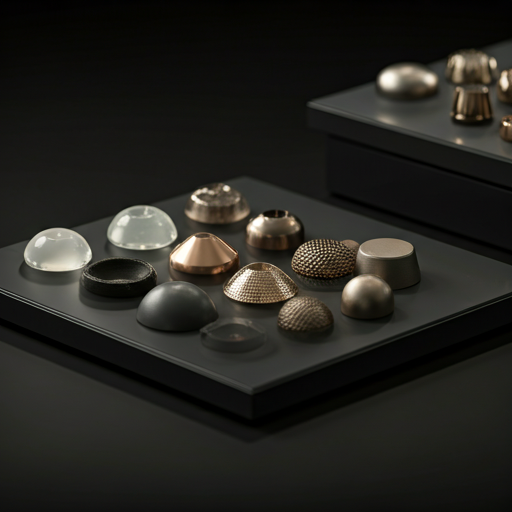
To enhance the strength, precision, or appearance of your 3D printed parts, we offer a range of custom surface finishing options suitable for various materials and applications. Below are our primary finishing processes and their respective descriptions:
Applied to translucent or clear ABS-like and PC-like materials to provide a protective and decorative transparent finish.
Color-matched finishes for appearance models, housings, and visible product prototypes.
Metallic appearance and surface performance options for compatible printed parts after engineering review.
Uniform color for nylon SLS and MJF parts with complex geometry and internal details.
Labels, logos, symbols, and interface markings for product mockups and user-facing prototypes.
Improves cosmetic surfaces where geometry, material, and process allow secondary finishing.
Stabilizes selected metal printed parts and helps reach application-specific mechanical requirements.
Adds precision interfaces, flatness, bores, threads, and sealing faces after additive manufacturing.
3D printing has become an essential tool in product development and manufacturing, thanks to its efficiency and flexibility. By building objects layer by layer, this technology supports the entire workflow from concept validation to mass production.
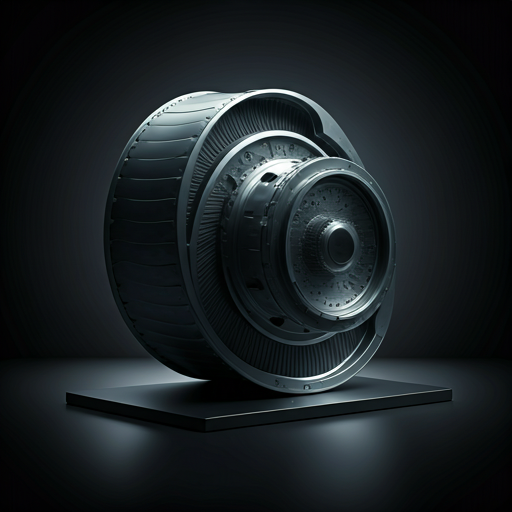
Custom 3D printing services enable product designers to quickly obtain physical models, allowing for rapid visualization and validation of design ideas, significantly shortening the development cycle.
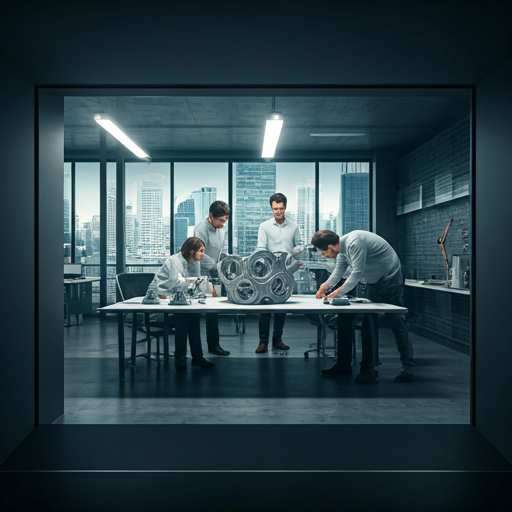
3D printing technology can directly produce fully functional moving parts and integrated components, providing reliable physical prototypes for product testing, assembly verification, and performance evaluation.
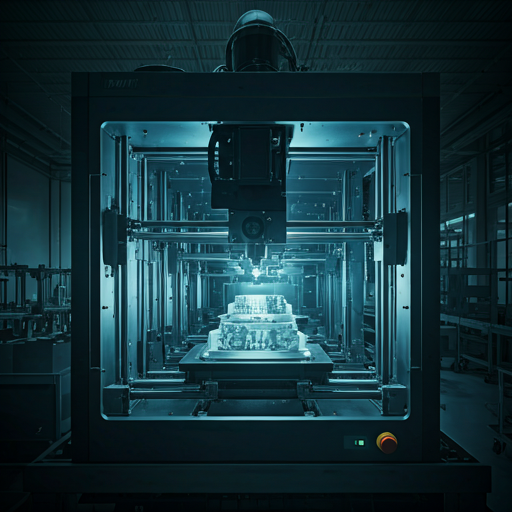
Use additive manufacturing for low-volume production, customized components, and repeatable batches without investing in dedicated tooling or delaying product launch.
Turn validated CAD into physical prototypes or small batches quickly, helping engineering teams keep development moving.
Engineering plastics and metal options support functional testing, durable fixtures, and production-ready components.
Produce internal channels, organic forms, lattices, and consolidated assemblies that are hard to machine conventionally.
Industrial systems and controlled workflows keep critical features consistent from prototype through repeat orders.
Move from design validation to low-volume production without tooling, ideal for custom and spare parts.
Scale from one prototype to larger part runs while matching process, material, and finish to the program.
Explore this quick reference guide to understand our six key 3D printing technologies.
Read more