Engineering Plastics
Choose practical thermoplastics for stiffness, temperature, UV exposure, and impact needs.
3D printing process
Fused deposition modeling for fast concept models, fixtures, housings, and functional thermoplastic prototypes.
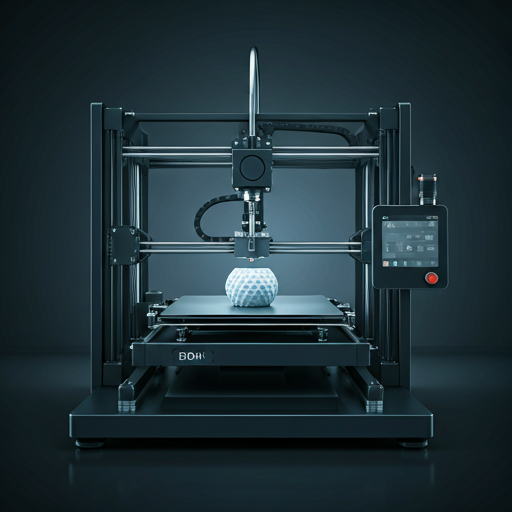
Process overview
Each 3D printing process page follows the same review path: choose a process, upload part data, confirm material and finish needs, then lock the submitted quote snapshot before order confirmation.
Choose practical thermoplastics for stiffness, temperature, UV exposure, and impact needs.
Good fit for larger housings, ducts, brackets, and fixtures where fine cosmetic surface is secondary.
Validate fit, clearance, ergonomics, and assembly direction before committing to higher-cost processes.
Build orientation and support strategy are reviewed to reduce weak surfaces and visible support marks.
Low-cost concept models and visual prototypes.
Housings, snap-fit checks, and UV-stable exterior prototypes.
Chemical-resistant, practical, and transparent or translucent part options.
Fatigue-resistant functional parts, hinges, and tough prototypes.
Tough, higher-temperature prototypes and transparent covers.
Stiffer, lighter structural prototypes and fixtures.
Common questions
Yes for selected low-stress applications. Material, loading direction, temperature, and layer orientation should be reviewed before production use.
FDM is economical for simple shapes and early checks. SLS is better for complex geometry, batch nesting, and more consistent strength.
Yes. TPU-like materials can support grips, gaskets, flexible covers, and fit-check prototypes.
Upload your CAD or STL and compare FDM against other 3D printing processes in the quote flow.
Start Your Quote