Fine Detail
SLA captures small text, threads, curves, and fine cosmetic features better than many extrusion processes.
3D printing process
Stereolithography for high-resolution resin parts, smooth surfaces, visual prototypes, and clear or detailed models.
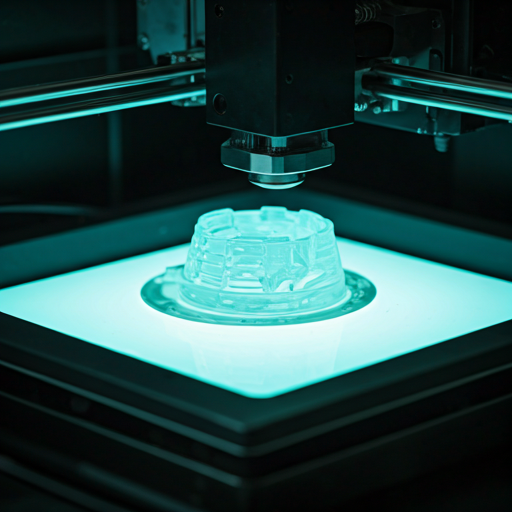
Process overview
Each 3D printing process page follows the same review path: choose a process, upload part data, confirm material and finish needs, then lock the submitted quote snapshot before order confirmation.
SLA captures small text, threads, curves, and fine cosmetic features better than many extrusion processes.
Layer lines are subtle, making SLA useful for appearance models and silicone mold masters.
Transparent resin options can support covers, light guides, fluidic models, and presentation prototypes.
ABS-like, flexible, high-temperature, and application-specific resin options can be reviewed.
Concept models, form studies, and high-detail visual prototypes.
Transparent covers, light guides, and flow visualization models.
More practical functional prototypes where impact behavior matters.
Gaskets, grips, soft interfaces, and overmold simulations.
Prototype checks where elevated temperature resistance is required.
Selected medical, dental, and wearable prototypes after requirements review.
Common questions
Some engineering resins can support fit and limited functional testing, but brittle or load-bearing designs should be reviewed carefully.
Yes. Clear resin can be polished or coated for better transparency depending on geometry and surface requirements.
Supports are removed after printing, and support placement should avoid cosmetic or functional surfaces where possible.
Upload your part and review resin, surface, and support strategy before quote submission.
Start Your Quote