Support-Free Builds
Unsintered powder supports the part during printing, making internal features and undercuts practical.
3D printing process
Selective laser sintering for strong nylon parts, complex internal geometry, and support-free additive manufacturing.
Process overview
Each 3D printing process page follows the same review path: choose a process, upload part data, confirm material and finish needs, then lock the submitted quote snapshot before order confirmation.
Unsintered powder supports the part during printing, making internal features and undercuts practical.
PA12 and related materials support durable prototypes, assemblies, and small-batch components.
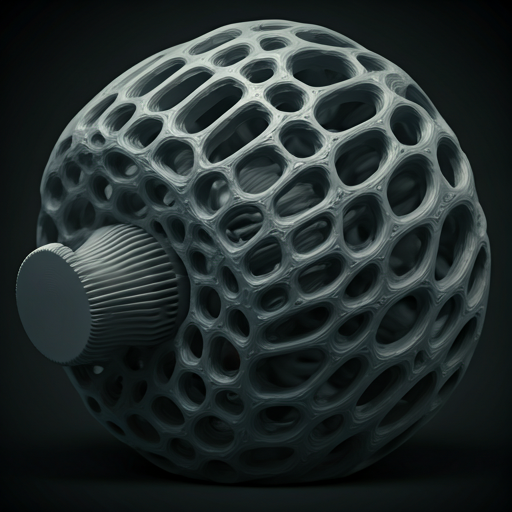
Lattices, organic shapes, living hinges, and integrated mechanisms can be reviewed for SLS fit.
Multiple parts can share a build volume for efficient prototype or bridge production runs.
General-purpose nylon for strong, moisture-resistant functional parts.
Stiffer, lighter nylon for structural prototype components.
More flexible and impact-resistant option for selected requirements.
Flexible material for shock absorbers, ducts, covers, and soft interfaces.
Common questions
Often yes. Print-in-place hinges and joints require appropriate clearances and geometry review before quote submission.
SLS nylon is commonly white or grey as printed. Dyeing, painting, and coating can be reviewed for compatible parts.
Choose SLS for more complex geometry, better all-direction part behavior, and support-free features.
Upload your part and review SLS material, finish, and nesting options.
Start Your Quote